Picture this: You’ve poured time, effort, and money into developing a tool, app, or platform that promises to revolutionize the user experience. You’re confident it has all the features your customers need, but somehow, conversion rates are stagnant, and user feedback isn't glowing. What went wrong?
Here’s the reality: many businesses underestimate the importance of user testing. They launch without a full understanding of how actual users interact with their product, resulting in frustration, abandoned carts, high churn rates, and lost revenue. Users don’t stick around if they find your system difficult or confusing. This issue creates a massive disconnect between what you think you’ve built and what your customers actually need.
The problem is simple: you’re not testing your product through the eyes of the end user, and that’s costing you sales.
How Are Customers Solving This Today? (And Why It's Not Working)
Many businesses attempt to solve this problem by focusing on the technical side of things. They perform in-house testing, run some quality assurance checks, and assume everything is good to go. Some companies go a step further, relying on analytics alone to interpret how users interact with their systems.
But here's the problem: data without context is like seeing the symptoms without diagnosing the illness. You may know that users are dropping off after visiting a certain page, but without understanding why, you're just throwing darts in the dark. And even if you do some user testing, how confident are you that the testers truly represent your target audience?
The reality is that most user testing methods fall short because they don't involve real users in real-world scenarios. They don’t account for the emotional experience, the moments of confusion, or frustration that lead to potential customers walking away. Simply put, businesses today are relying too heavily on incomplete data and superficial testing, missing the bigger picture of the actual user experience.
What Would the Perfect Solution Look Like?
Imagine a solution that not only tests the functionality of your system but also dives deep into the emotional experience of your users. A solution that brings you closer to understanding how your product makes users feel, how intuitive the navigation is, and whether or not they feel empowered when using it.
This ideal solution wouldn’t just throw data at you but provide actionable insights into where users struggle and why. It would simulate real-world use cases, catching potential pain points before they turn into lost customers. You'd have a system that includes continuous, iterative user testing, feedback loops, and usability checks to ensure your product evolves with user expectations and needs.
To truly optimize your sales and take full control of your product’s success, you need a solution that integrates user testing at every stage of the buying journey—from discovery and onboarding to long-term engagement. With that, you’d achieve higher customer retention, improved conversion rates, and greater customer satisfaction.
The Importance of User Testing in the Buying Process
At every step of the customer’s buying journey, user testing helps you understand their needs better. Imagine losing a sale not because your product lacks features, but because a potential customer couldn't find the "Buy Now" button. User testing eliminates these tiny but crucial mistakes.
Did you know?
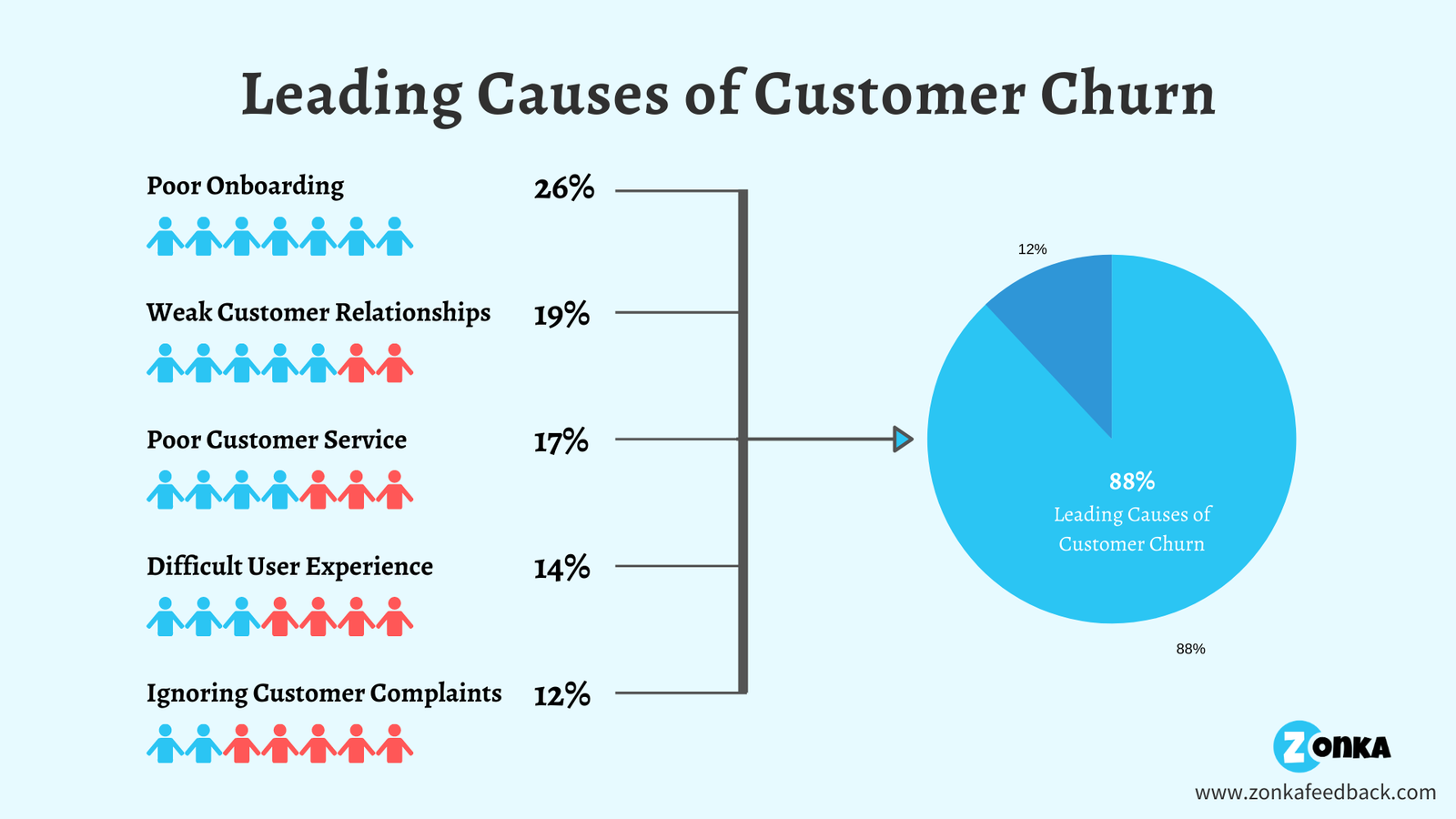
A recent study by Forrester shows that 88% of online consumers are less likely to return to a website after a bad user experience. Worse still, 40% of those users will tell others about their negative experience. That’s potential revenue slipping through your fingers, all because of poor usability.
User testing ensures you don't miss out on those opportunities. You’re constantly iterating, improving, and aligning your product with user expectations. At the same time, you’re reducing customer support queries because the product is intuitive and easy to navigate.
Why Testing the Online User Experience is Critical
The online experience is often the first touchpoint between your product and a potential customer. If that experience doesn’t deliver, they’re gone—simple as that.
One of the most common mistakes companies make is assuming that design equals usability. Just because a product looks great doesn’t mean users can intuitively interact with it. By conducting thorough usability testing, you can ensure that the journey from the landing page to checkout (or sign-up) is smooth and frustration-free.
User Acceptance Testing: The Final Barrier Before Launch
User Acceptance Testing (UAT) is your last line of defense before rolling out your product. It ensures that everything works as expected, not just in a controlled environment but in the hands of your actual end users. The goal? To identify any roadblocks preventing users from getting what they want quickly and easily.
Companies that skip UAT or rush through it often face a surge of post-launch complaints, which lead to reputation damage and costly patches. UAT gives you the confidence that your product is user-ready and aligned with business goals.
Benefits of User Interface and Usability Testing
Every interaction between your product and its users happens through the user interface (UI). If your UI isn’t polished and intuitive, it can destroy even the most innovative features. By testing the UI extensively, you ensure that all elements—from buttons to menus—work seamlessly, across different devices and screen sizes.
Here’s a stat to consider: 70% of online businesses fail because of bad usability. That’s a staggering number, but it underscores the importance of usability testing in ensuring a product’s success.
Why Is User Testing Valuable?
Customers expect smooth, hassle-free experiences. Whether they’re browsing your website, using your app, or engaging with your product, their experience can make or break the deal.
User testing is the only way to truly understand how your product is perceived by real users. It brings the user's voice into the development process and helps you catch blind spots that could impact your sales funnel.
Not only does this lead to a better product, but it also gives you the competitive edge. When your product is easier to use than your competitors’, customers notice—and they’re more likely to stick with you.
The Purpose of Software Testing: Not Just a Checkmark
Too often, software testing is treated as a formality—something you do to check off a box before launch. But it’s so much more than that. Software testing ensures that your product is functional, reliable, and bug-free. It gives you the peace of mind that you’re delivering a high-quality product to your customers.
The more thorough your testing processes, the fewer surprises you’ll encounter after launch. This not only saves you time and resources in the long run but also protects your brand's reputation. By testing early and often, you’ll avoid the common pitfalls that can derail a product’s success.
The Benefits of User Testing: From Development to Launch
- Early detection of usability issues – Catching problems early saves time and money on fixes down the line.
- Improved customer satisfaction – A user-friendly product is one that customers will return to and recommend to others.
- Reduced customer support load – Fewer users will need assistance if your product is easy to navigate.
- Higher conversion rates – When users can easily navigate your product, they’re more likely to complete purchases or other actions.
Taking Control of Your Product’s Success
User testing isn’t just a step in the development process—it’s a strategic tool to ensure your product’s success. When you involve real users, gather feedback, and iterate based on their experiences, you’re not just building a product. You’re crafting an experience that meets their needs, delights them, and turns them into loyal customers.
Stop guessing, and start understanding. The key to unlocking your product’s potential is to test early, test often, and listen to your users. By doing so, you’re not just refining a product—you’re taking control of your entire sales process, from the first interaction to long-term loyalty.
Share this article
Send it to someone who would find it useful.