Have you ever wondered what makes your favorite apps so seamless and powerful? The answer often lies in the captivating yet hidden world of Application Programming Interfaces, or APIs.

Businesses and developers face a significant challenge: integrating diverse systems and applications efficiently. This problem often leads to fragmented user experiences, duplicated efforts, and missed opportunities for innovation. Without a streamlined way for these systems to communicate, companies struggle to keep up with the demands of modern technology and user expectations.
Currently, many businesses attempt to solve this problem through bespoke integrations and middleware solutions. While these can work to some extent, they often fall short in several ways:
- High Costs: Custom integrations can be expensive to develop and maintain.
- Scalability Issues: As businesses grow, their integration needs become more complex, making it difficult for custom solutions to keep up.
- Security Risks: Inconsistent security measures across different systems can expose vulnerabilities.
- Lack of Flexibility: Custom solutions are often rigid and slow to adapt to new requirements or technologies.

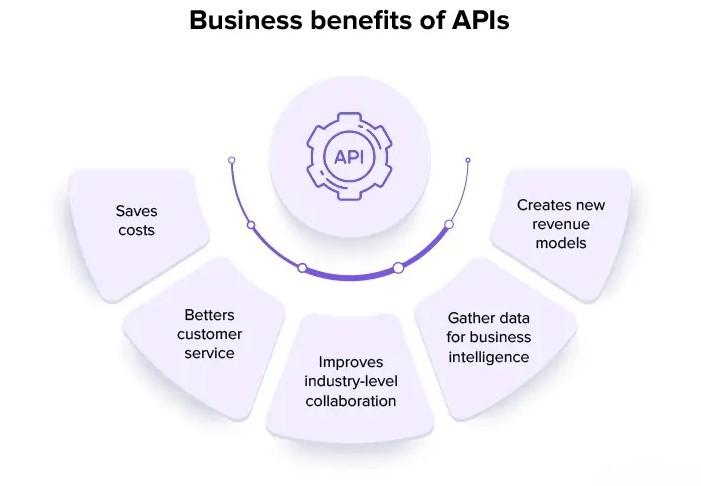
What if there was a way to overcome these challenges, enabling seamless communication and collaboration across systems? Enter APIs. They are the building blocks for creating robust, scalable, and secure integrations. Here’s why APIs are the perfect solution:
- Cost Efficiency: APIs reduce the need for custom code, lowering development and maintenance costs.
- Scalability: Designed to handle high volumes of requests, APIs can scale effortlessly as your business grows.
- Security: APIs come with built-in security features, ensuring data integrity and protection.
- Flexibility: With APIs, you can quickly adapt to new technologies and business requirements.
To illustrate the power of APIs, let’s explore some real-world examples:
1. Ride-Sharing Apps: These apps use navigation APIs for route calculation and payment APIs for transactions, offering a seamless user experience.
Sample Code: Integrating Google Maps API for Route Calculation
This code retrieves step-by-step directions using the Google Maps API, enabling ride-sharing apps to optimize routes.
2. E-Commerce Platforms: APIs enable real-time inventory updates, payment processing, and integration with various shipping services, enhancing customer satisfaction.
Sample Code: Stripe API for Payment Processing
This code shows how e-commerce platforms use Stripe to securely handle payment transactions.
3. Smart Homes: IoT APIs allow different smart devices to communicate and work together, creating a cohesive smart home environment.
Sample Code: Controlling Smart Lights via IoT API
This snippet demonstrates how IoT APIs allow developers to control smart devices.

Creating effective APIs requires attention to detail and adherence to best practices.
Some key principles:
1. Consistency: Use uniform naming conventions, error handling, and response formats.
Maintain consistent JSON structures like this.
2. Versioning: Implement versioning to ensure backward compatibility and smooth transitions. Example:
vs.
3. Security: Incorporate robust authentication and encryption measures.
Example Code: JWT Authentication
4. Documentation: Provide clear, comprehensive documentation to help developers navigate your APIs effectively.

Recent studies highlight the growing importance of APIs:
- Increased Efficiency: According to a report by McKinsey, businesses that leverage APIs see a 20% increase in development efficiency.
- Revenue Growth: A study by Harvard Business Review found that companies with a strong API strategy generate 25% more revenue from digital channels.
- Enhanced Innovation: Gartner reports that 85% of innovative applications are built on API-driven architectures.
APIs enable collaboration, foster innovation, and pave the way for a future where technology seamlessly enhances our lives. Behind every remarkable digital experience lies the enchantment of APIs—a key that opens doors to new realms of possibility.
Share this article
Send it to someone who would find it useful.