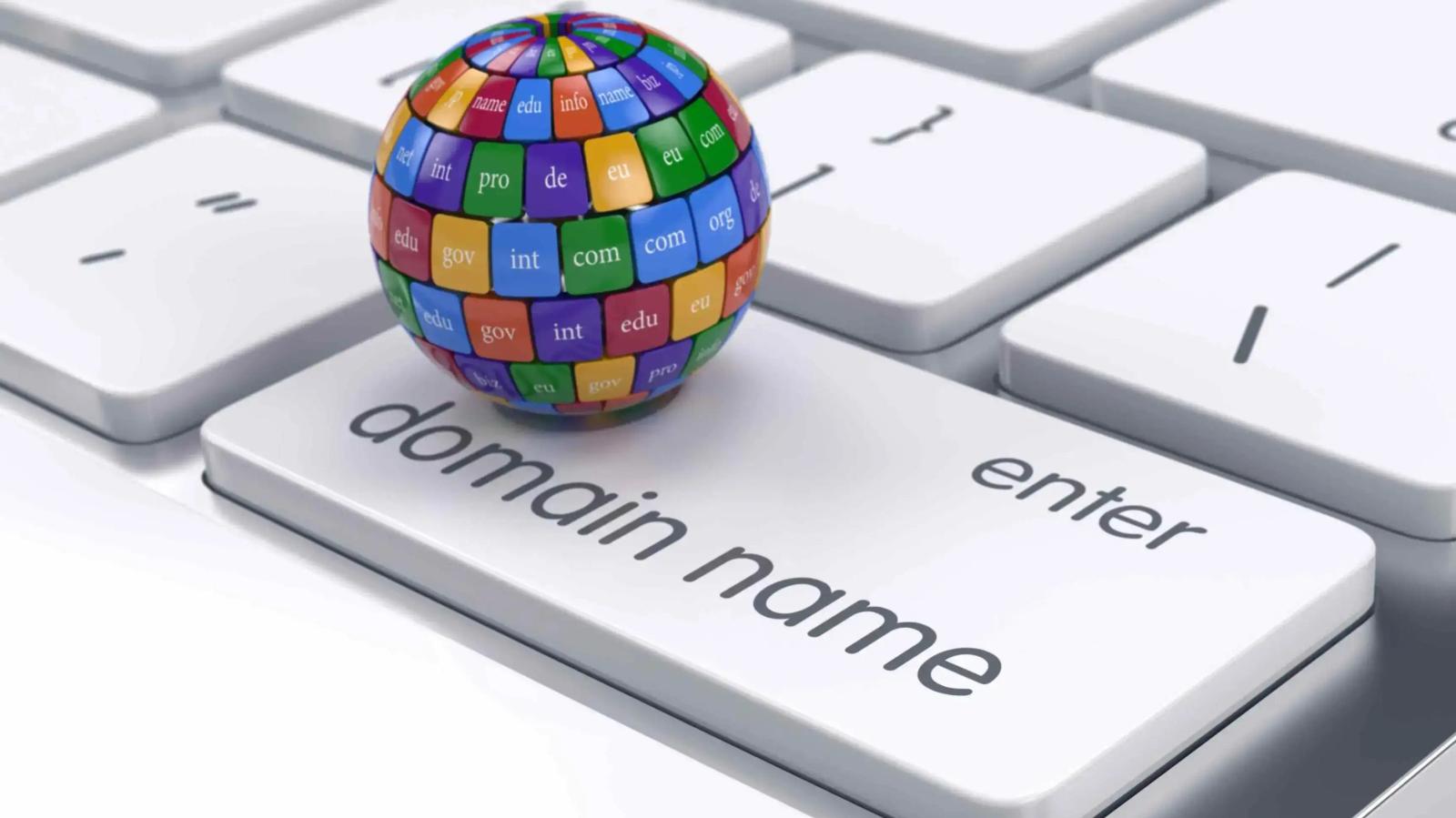
Have you ever stopped to wonder how something as simple as an email address could be hurting your business? You’ve got your website, social media, and maybe even a few ad campaigns—but are you using a custom email domain, or are you still operating with yourbusiness@gmail.com? If it’s the latter, you might be unintentionally limiting your potential to attract and retain high-value clients.
Your Email Looks Unprofessional
At first glance, a free email service seems convenient, right? You can sign up in minutes, and it gets the job done for sending and receiving messages. But what if I told you that sticking with a generic email could be costing you trust, opportunities, and even revenue? Prospects are smarter than ever. When they see an email from yourbusiness@yahoo.com, they question your professionalism and wonder, “Is this business legitimate? Can I trust them with my money?”
What Most Businesses Do (and Why It’s Failing)
Many small businesses and even freelancers think they can bypass the issue by focusing on a strong website or social media presence. Others might try to make up for a lack of credibility by doubling down on excellent service. But, let’s face it—none of that matters if your email address looks amateurish.
Here’s the reality: Even if your website is top-tier, your branding will still take a hit if your email doesn’t match your domain. People do notice, and it could make all the difference between getting a new client or being passed over for someone who looks more “put together.” According to a study by McKinsey & Company, 75% of consumers admit they make judgments about a business’s credibility based solely on its communication channels—including email.
So, why does a free email address fail to deliver?
- Lack of Trust: Prospects are less likely to trust a business that doesn’t have the time or money to set up a custom email domain. Think about it: Would you trust a bank operating with a free Yahoo email?
- Missed Opportunities: Your email may get flagged as spam more often if it’s coming from a generic domain, especially if you’re sending marketing emails. This is a huge problem if you’re trying to grow your customer base.
- Brand Inconsistency: Your email should match your website and other branding efforts. When it doesn’t, it creates cognitive dissonance, weakening your brand's impact.
These limitations keep you stuck in the same cycle—constantly trying to prove your credibility when a simple switch to a custom domain could take care of that for you.
A Custom Email Domain
Imagine what it would be like if every email you sent immediately signaled professionalism, trust, and authority. A custom email domain does exactly that, helping you gain more control over your communications and reputation. Here’s what you need to know about why this solution works:
- Professional Image: According to a Verisign survey, 84% of consumers believe that small businesses with custom email domains are more credible. You’re not just competing on products or services—you’re competing for trust.
- Improved Deliverability: Emails from custom domains are less likely to end up in the spam folder. A custom domain can increase open rates by 10-15%, helping you connect with clients more efficiently.
- Brand Consistency: When your email address matches your website (info@yourcompany.com), you create a cohesive experience that solidifies your brand in the mind of your audience. Every time they see your email, it reinforces your professionalism.
Why You Need to Act Now
If you're still using a generic email, you’re losing business to competitors with custom domains. Customers are becoming more discerning every day. If your email looks unprofessional, they’ll move on to someone who seems more credible.
How Does a Custom Domain Impact the Buying Journey?
At every stage of the customer journey, your email address plays a role. Here’s how:
- First Impressions: During the awareness stage, when potential clients first discover your brand, they’re looking for clues about your professionalism. If your email domain matches your website, it makes you look like a serious player in the market.
- Consideration Phase: When clients are weighing their options, they’ll often look at every detail, including how you communicate. A custom email domain can tip the scales in your favor by adding that extra layer of credibility.
- Purchase Decision: Clients need to trust that they’re making the right decision. Emails from a custom domain signal that you’ve invested in your business, increasing their confidence in choosing you over a competitor.
How to Make the Switch
You might be thinking, “Sounds great, but how do I actually get a custom email domain?” Don’t worry, it’s simpler than you think. If you already have a domain name for your website, you’re halfway there. Here’s what you need to do:
1. Choose an Email Hosting Provider: Services like Google Workspace, Zoho or Microsoft 365 make it easy to integrate your custom domain with their email platforms. You can enjoy the familiar interfaces of Gmail, Zoho or Outlook while benefiting from a professional domain. Here’s a Python example showing how to interact with Google Workspace via its API to manage users:
This script demonstrates how you can automate the creation of custom email accounts for your team.
2. Register Your Domain: If you don’t have a domain yet, you can purchase one through a domain registrar like Namecheap. Choose a domain that reflects your business name, and make sure it’s simple, easy to spell, and memorable. Here’s an example using the Namecheap API to search for and register a domain:
3. Set Up Your Custom Email: After registering your domain, follow the provider’s instructions to link it to your email system. For example, here’s how to configure DNS records using Python and the Cloudflare API:
Does Your Business Really Need a Custom Domain? Yes!
Investing in a custom email domain is not just about appearances—it’s about taking control of how your brand communicates with the world. Whether you’re a solo entrepreneur or managing a growing team, a custom email domain is a low-cost, high-reward solution that instantly boosts your credibility, increases your visibility, and enhances your brand.
Are Custom Emails Worth the Investment? Absolutely
For the cost of a cup of coffee each month, you can level up your brand’s communication and ensure that every email reflects your professionalism. With a custom email domain, you’re not just sending emails—you’re sending a message that your business is legitimate, trustworthy, and here to stay.
Why Your Email Domain Matters
If you want to control the sales process, build trust with every interaction, and guide potential clients from first impression to purchase, then it’s time to upgrade to a custom email domain. It’s a small change with massive results, giving you the edge you need to stand out in today’s competitive market.
So, why wait? Start making every email count.
Share this article
Send it to someone who would find it useful.